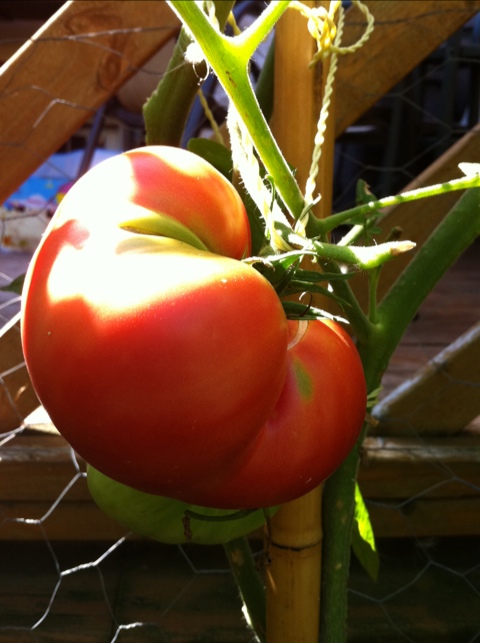
Here is the start of my adventure harvesting seeds from the heirloom tomatoes I started from seedlings purchased in Saratoga Springs in May.
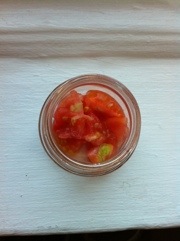
Here is the start of my adventure harvesting seeds from the heirloom tomatoes I started from seedlings purchased in Saratoga Springs in May.
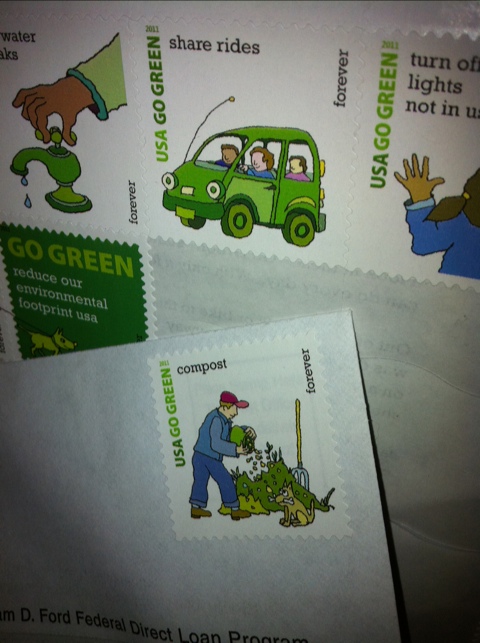
I love these stamps btw. Especially the compost one. I wonder if they do anything but advertise being green? Like maybe they could be made of compost, or specially decomposing material (but maybe they couldn’t be forever stamps)? Maybe there’s some incentive for the gov’t to do it! Then again, maybe forever is revokable if the post office gets sold to UPS, Fedex or GE. Or if it just lays off enough workers that the new motto is snow? Rain? Heat? Fuhgeddaboudit.
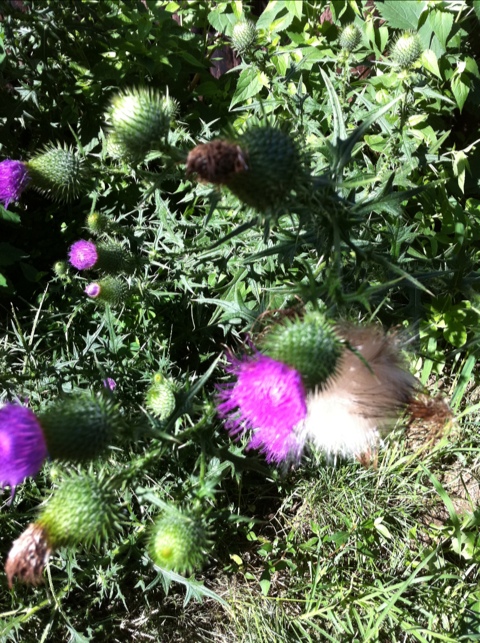
Milk thistle?
To make my days more than a collection of things that I’ve done and things left to do.
QUESTION: what is responsible living to you?
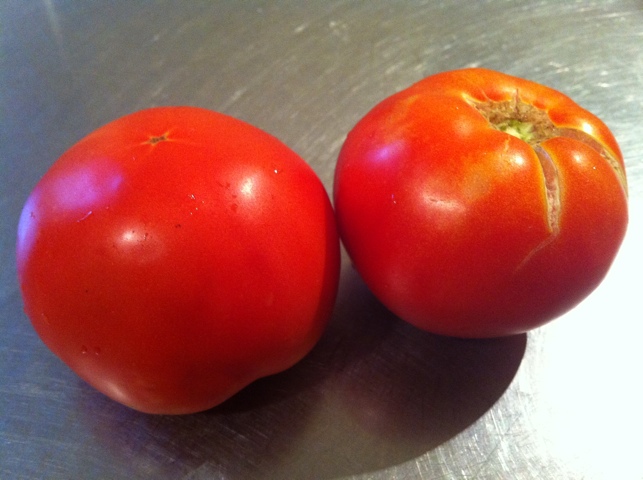
I maybe could have waited one more day but was eager to welcome them into my kitchen. There’s less splittage than I saw on the Oregon Springs.
The following site gives a good quick and dirty on seed saving, by plant. The seeds from the watermelons I had for lunch are drying as we speak. They’re from the CSA and perfect for seed harvesting since the melon was a little overripe – could be from the fridge losing its temp or just having been perfectly ripe when I picked it up on Wednesday. I will be reaching out to the Garden of Eve farmers who grew the yummy watermelon that was in my lunch today. I want to find out what kind of watermelon it is and where they got the seeds. I’m making more of an effort to keep a thorough history of the plants I’m growing (someyhing I wish I would have started long ago), since i want to get a local seed exchange going here in Brooklyn ( email me at Revelgardener@gmail.com if you’re interested in being a part of it), and also to just be more familiar with whats in my own yard.
Going back to the question of ripeness, I’ve been hearing that it’s best to get your seeds from ripe or over-ripe plants. I don’t believe a watermelon is a squash. It is described, generally, as a flowering plant (originating in southern Africa). However, I don’t know about its possibilities to cross-pollinate. I do not know, if it is capable of cross-pollinating, whether it might cross-pollinate with squash (I found conflicting theories in a quick search online)? I’ll probably play it safe next year by planting no other watermelons, or even any other squash, next year. One goal for the next growing season for me is to simplify, simplify, simplify. In that spirit, I refer you to the quickest and easiest reference I’ve found online for seed saving:
http://www.wvu.edu/~agexten/hortcult/homegard/seedsavr.htm.
More on seed saving to come, later this week. In the meantime, here’s the
QUESTION: what seeds are you saving. What are some tips you’ve learned on saving seeds? Go ahead … Gimme the dirt!
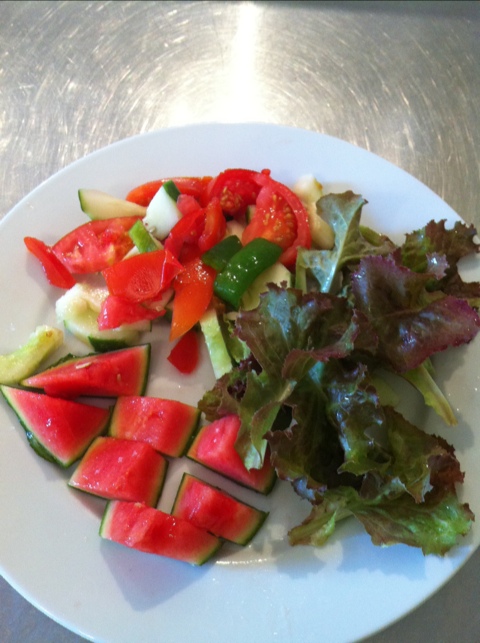
And CSA (for the watermelon)
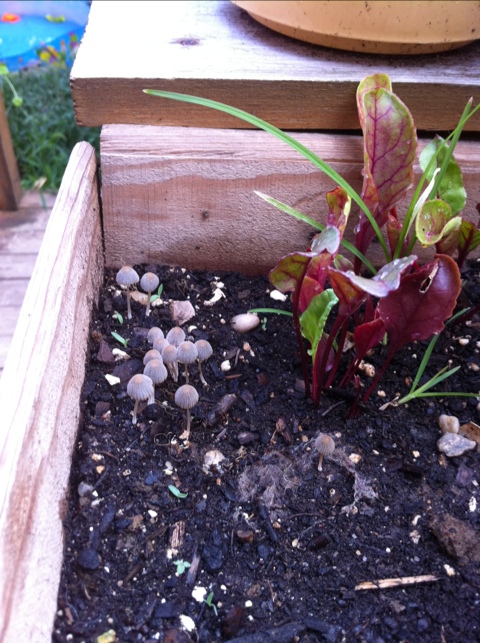
These little buggers appeared next to some beets I have growing in a wooden box. Note the leaves of grass growing right next to/within the beet leaves. Like I said, unless they pose a take-over threat, I generally leave them alone. These guys were growing so close to the beets that pulling them out risked damaging the beets themselves. Voila! Weed problem solved!
 revelgardener