almost forgot my point about the tomatoes. They’re no shrinking violets either. So I didn’t stir them. So? They didn’t care. Sometimes I think people put steps in directions just to make it seem more involved than it actually is. All we’re really doing with growing the mold is mimicking what happens when a tomato drops from the vine, rots on the ground and spills out her juice and seeds, except we have the extra step of planting in the spring. Until then, put on your big kid apron on (or don’t), go get those seeds, plug your nose, and get crackalackin!
Daily Archives: September 6, 2011
I Have to Admit
Several sources suggest lifting the lid (whatever it may be — some sources say to put plastic poked with holes, others are silent – I put paper towel over the jars) to stir the mixture once a day and let it sit for several days to a week. I did not stir mine but, rather, let it sit for longer than a week. I am pretty happy with how they turned out, especially the Oregon Springs, which all had plenty of water and not too much pulp/flesh. They separated very easily from the rest of the goo, which washed right off. Even though I’m having fun, it really is not the most pleasant experience. You have to not mind the smell of mold, and the sight of it. I’d like to feign the sensibilities of a more delicate being but, truth is, I’m just not. There’s almost something satisfying about the putrid pungence of the murky mixture that’s been lurking beneath the paper towel for weeks. I did stash them in the basement sink so as not to offend other members of the household. I may be masochistic but I’m far from sadistic. Anyway, thanks for joining this journey with me. It was my first time saving heirloom tomato seeds. If you want some, check out the info above on how to sign up for the Big BK Seed Etc. Exchange to take place Saturday, Sept. 17 I think … check above. I have some stinky tomato gunk I have to tend to…
Sieve
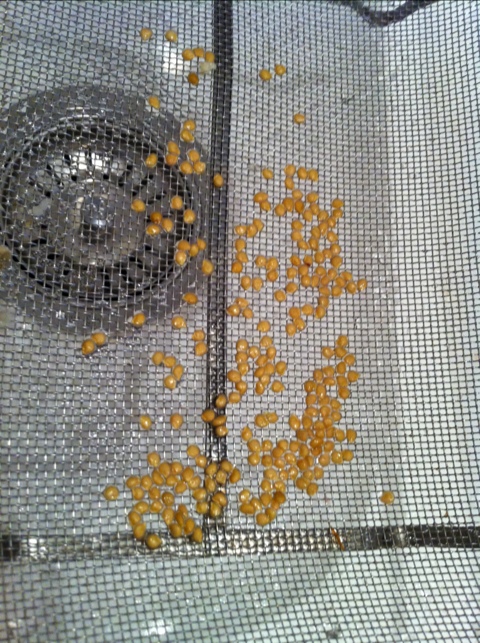
I used the back of the spoon to push through any remaining goop while I rinsed these Cosmonaut seeds repeatedly in cold water. They seem happy to be out from under the mold red sky.
Seeds
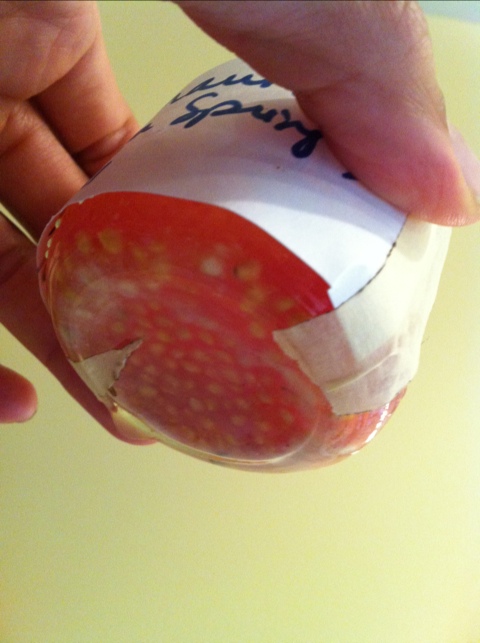
Notice the seeds on the bottom. This jar was more successful than others because it had some pulp but not a lot of flesh, and plenty of water. This is good when the seeds show off at the bottom and leave you with less picking and skimming to do.
Smells Lovely!
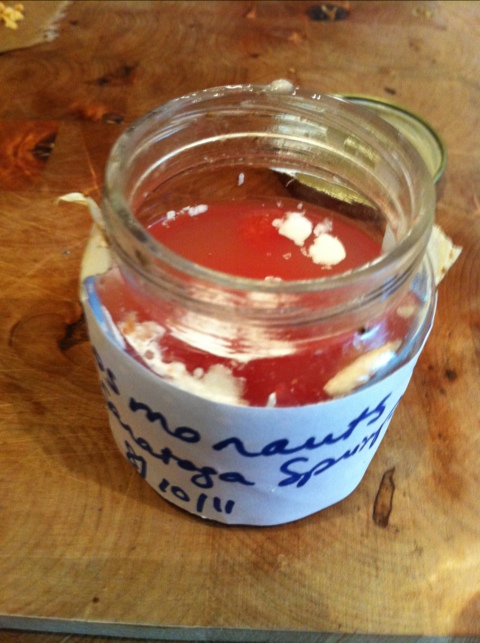
Okay so I let this one go a little long. Everything I’ve read tells me it won’t hurt the seeds any (if anything it’s a closer replication of nature’s method of sterilizing seeds). This is not to say it won’t offend olfactorily…trust me, it does.
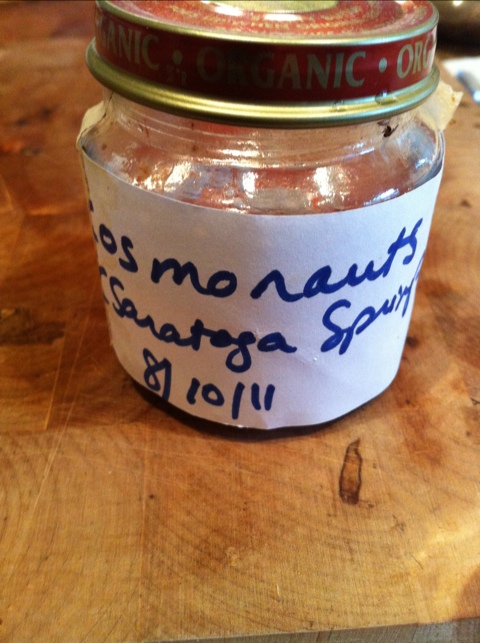
Saving Seeds
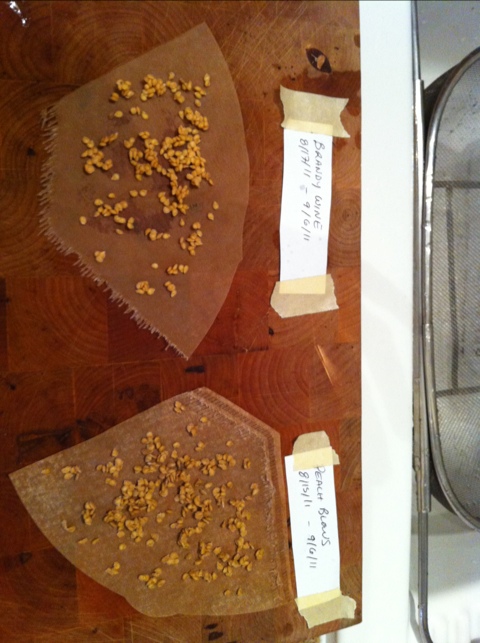
Since I’m working with several different varieties, I decided to use coffee filters cut in half to keep them separate. I’m also being very careful to wash and dry my hands and tools (fine sieve and spoon) between each cleaning so that a Peach Blossom doesn’t get mistaken for a Brandywine. I have to admit there are a couple unlabeled jars that in my haste I didn’t get to — those will be reserved for next year’s mystery garden.
QUESTION
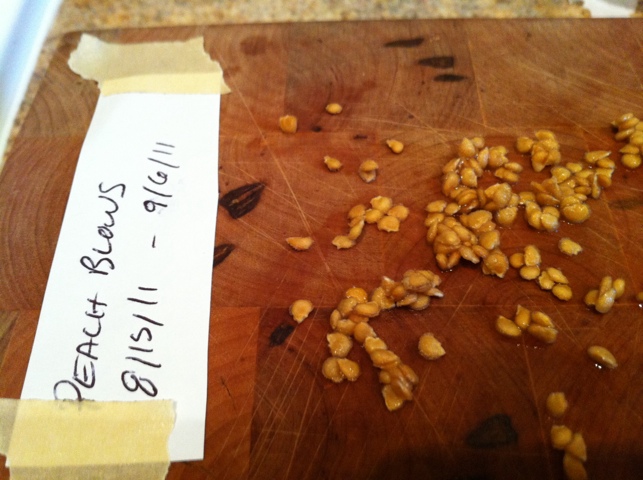
For my fellow revelers: which convention is used for the date on seed packet labels: date they were extracted, or date cleaned to dry, or date actually stored?
Squash Blossoms
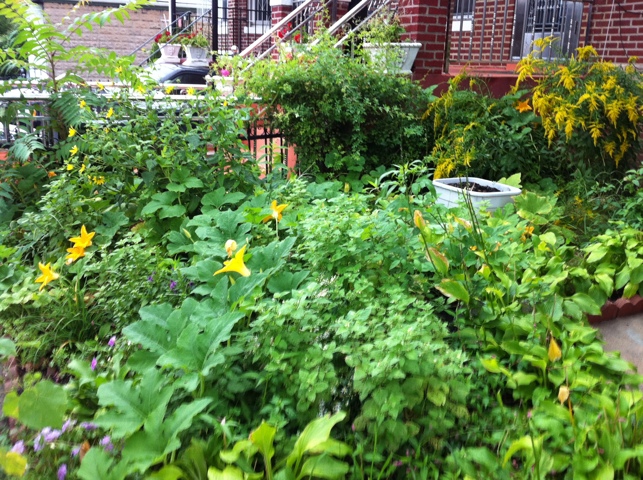
But no sign of Mr. Jack O. Lantern.